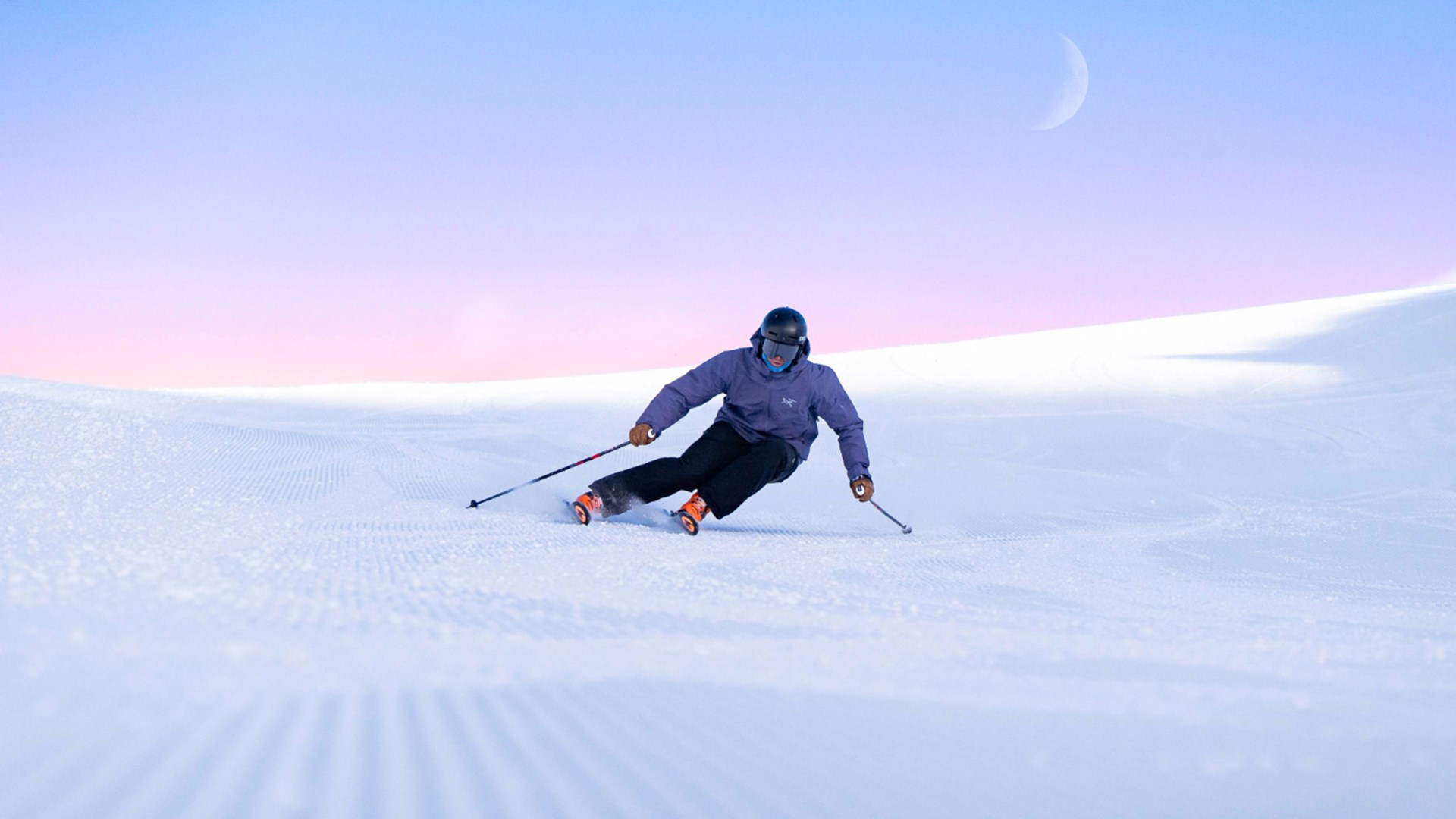
How to Prepare Your Body for Ski Season
Winter has a way of finding out exactly what shape you’re in.
One day, you’re dreaming about First Tracks and fast laps. The next, your legs are toast by lunch and your hips are tighter than your boots. The good news? A better season starts long before your first chair.
If you want to make the most of winter at the Peak, a little pre season training goes a long way. Stronger legs, better balance, more mobility and a bigger engine all add up to more confidence, more control and more good times on snow.
You don’t need to train like a World Cup athlete. You just need to prepare your body for what skiing and snowboarding actually ask of it.
Why pre season training matters
Skiing and snowboarding put your body to work in ways everyday life usually doesn’t. You’re absorbing terrain, holding strong positions, reacting quickly and repeating it all again for lap after lap.
When your body is better prepared, everything feels better:
- you last longer through the day
- you recover faster between runs
- you move with more control
- you build confidence more quickly
- you give yourself a better chance of staying injury free
In short, pre season training helps you enjoy more of winter, from your first carve of the season to your final run in the fading light.
1. Build leg strength for longer days on snow
Let’s start with the obvious one. Your legs do plenty of the heavy lifting on snow.
Your quads, glutes and hamstrings help you absorb bumps, hold your line through turns and stay stable when the terrain gets lively. Strong legs also help you keep good form later in the day, when fatigue starts creeping in.
Best leg exercises for ski fitness
- Squats
- Split squats
- Reverse lunges
- Deadlifts
- Step ups
- Wall sits
Why it’s good
Leg strength helps you stay stronger for longer. It supports better posture, sharper technique and more control when conditions get chopped up. It also makes those big Peak days far more enjoyable.
2. Train one leg at a time
On snow, things are rarely perfectly even. Every turn asks one side of your body to stabilise, drive and absorb a little differently.
That’s why single leg training is such a smart addition to your routine.
Best single leg exercises
- Bulgarian split squats
- Single leg Romanian deadlifts
- Step downs
- Skater hops
- Single leg holds
Why it’s good
Single leg work improves balance, stability and control. It also helps iron out left to right imbalances, which can make a real difference when you’re skiing variable terrain or riding with tired legs.
3. Improve your balance and coordination
Balance is one of those things you only notice when it disappears.
Skiing and snowboarding both rely on your ability to make quick adjustments and stay centred while the ground moves beneath you. Better balance means smoother turns, quicker reactions and a more confident feel on snow.
Useful balance drills
- Single leg balance holds
- Y balance reaches
- Hop and stick landings
- Cushion or Bosu balance work
- Eyes closed balance drills
Why it’s good
Balance training helps you stay composed when the terrain changes, the snow gets mixed or your body starts to tire. It’s especially useful for building confidence if you’re still learning or returning after time away.
4. Build a strong core
Forget endless crunches. On snow, a strong core is about stability, not just aesthetics.
Your core helps connect your upper and lower body, keeps you stacked over your skis or board and supports better movement when the pace picks up.
Best core exercises for skiers and snowboarders
- Front planks
- Side planks
- Dead bugs
- Pall of presses
- Farmer carries
- Cable rotations
Why it’s good
A stronger core helps you stay stable, resist collapsing through the hips and hold better form as the day rolls on. It’s one of the quiet achievers of winter fitness.
5. Work on mobility
You don’t need circus level flexibility. You do need enough mobility to move well.
For most skiers and snowboarders, the key areas are ankles, hips and upper back. If those areas are stiff, it’s harder to get into strong positions and absorb terrain properly.
Mobility exercises that help
- Ankle mobility drills
- Hip flexor stretches
- 90/90 hip switches
- Thoracic spine rotations
- Deep squat holds
- Dynamic warm ups
Why it’s good
Mobility helps you move more freely, find better positions and get more out of your strength work. It can also make everyday training feel smoother and more comfortable.
6. Build your cardio base
There’s no getting around it. Winter is more fun when your engine is up for it.
Cardio fitness helps you back up more runs, recover better between laps and stay sharper across longer days on the maunga.
Great cardio options for winter prep
- Running
- Trail running
- Cycling
- Rowing
- Hiking
- Stair climbs
- Circuit training
Why it’s good
Better cardio means more energy, more consistency and less of that heavy leg feeling halfway through the day. It’s also what helps you string together those back to back Peak days without feeling completely cooked.
7. Add power and lateral movement
Skiing and snowboarding are not just about strength. They’re also about quick reactions and dynamic movement.
That’s where power work comes in.
Power exercises to include
- Box jumps
- Broad jumps
- Lateral bounds
- Jump lunges
- Quick feet drills
- Medicine ball throws
Why it’s good
Power work helps your body produce force quickly. That comes in handy when you’re making short turns, reacting to terrain or needing to recover from a wobble before it turns into a full yard sale.
8. Don’t skip recovery
This is the part people love to ignore. It’s also the part that helps everything else work.
Training only pays off if your body can recover from it.
Recovery basics
- Sleep well
- Eat enough protein
- Stay hydrated
- Take rest days
- Warm up properly
- Ease off if something feels off
Why it’s good
Recovery helps your body adapt, rebuild and stay ready for the next session. It also gives you a better chance of arriving at winter feeling fresh rather than already carrying niggles.
Why a personal trainer is a smart move before winter
Knowing you should train is one thing. Knowing what to do, how often to do it and how to progress properly is another.
That’s where a personal trainer can make a real difference.
A good coach can help you:
- Train for your specific goals
- Improve your technique
- Work around old injuries or weak spots
- Stay accountable
- Follow a plan that actually fits your schedule
- Nuild confidence before the season starts
Rather than guessing your way through random workouts, you get a clear plan with purpose behind it. That usually means better results, fewer wasted sessions and a body that feels far more ready when winter rolls around.
Why Scouty is a great way to find the right coach
Finding a trainer is one thing. Finding the right trainer is where the magic happens.
That’s why using Scouty is a smart move if you’re getting ready for winter. Scouty helps connect people with coaches based on goals, budget, coaching style and location, which makes it easier to find someone who actually suits you.
Whether you’re after strength coaching, mobility support, online accountability or a tailored pre season programme, Scouty is a simple way to find a coach who fits. And when your goal is more laps, stronger legs and better days on snow, having the right person in your corner can make all the difference.
Start now and your winter self will thank you
You don’t need to become a full time athlete to have a better season. You just need to give your body a better chance.
Start with strength. Add balance. Build your engine. Move well. Recover well. Stay consistent.
Do that, and when winter arrives, you won’t just be hoping for a good season. You’ll be ready for one.
First light, fresh cord, fast laps. That feeling starts now.